Peru's Congress Ousts Interim President José Jerí
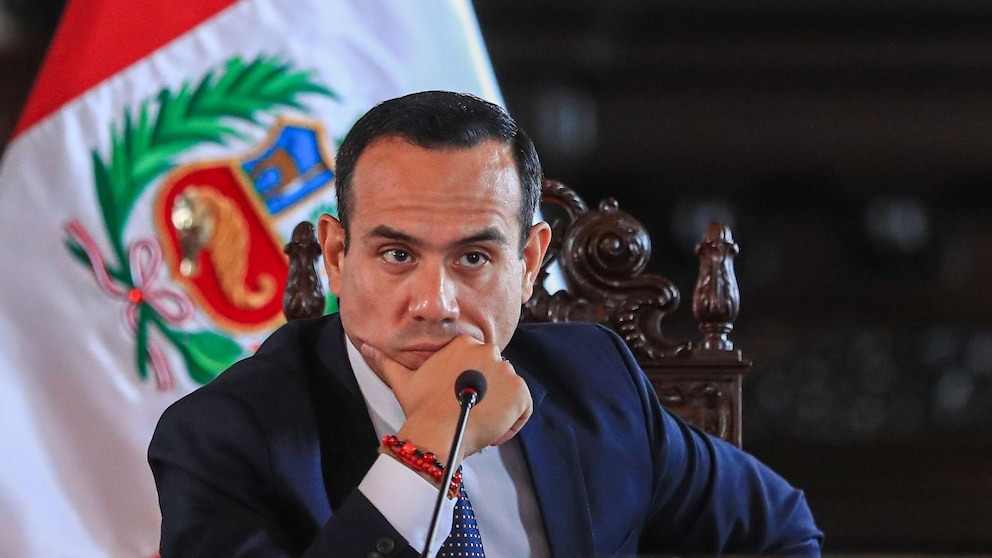
Peru’s Congress Ousts Interim President José Jerí Opposition Opposition-aligned outlets depict José Jerí’s removal as a necessary and constitutionally grounded response to credible investigations into influence peddling, illicit enrichment, and irregular hiring, highlighting his failed promises and scandals like “Chifagate” as proof he had lost legitimacy. They acknowledge broader institutional instability but argue that allowing a compromised interim president to remain would have further damaged public trust ahead of the upcoming elections. @dgj2…hzme @r83x…ptvy @htcq…4692 Peruvian and international reporting agree that interim president José Jerí was removed from office by Peru’s Congress in a censure vote roughly two months before scheduled general elections. Coverage consistently notes that Jerí had served only about four months as interim head of state, a role he held by virtue of presiding over Congress, and that his ouster required and obtained 75 votes in favor of his removal. Outlets concur that the presidency is now formally vacant and that Congress is tasked with electing a new interim president in a plenary session, with parties given a short deadline to present candidates from within a limited and politically weakened pool of legislators.
Across reports, there is shared emphasis on the institutional mechanics that led to this outcome: the use of censure and vacancy motions by Congress, and the link between congressional leadership and the interim presidency in Peru’s constitutional framework. Media from different stances highlight ongoing fiscal investigations into Jerí for alleged influence peddling, illicit enrichment, and irregular hiring decisions, as well as controversies surrounding his meetings with business interests, including Chinese companies, and scandals such as the so‑called “Chifagate.” There is broad agreement that these probes and scandals eroded both his public approval and support from parties that initially backed him, and that his removal represents yet another episode in a long sequence of rapid presidential turnovers, with Jerí’s fall marking the eighth presidential change in under a decade.
Points of Contention
Nature of Jerí’s removal. Opposition-aligned sources portray the ouster as a necessary response to mounting corruption allegations, broken promises, and public disapproval, framing Congress as finally acting on clear ethical and legal concerns. In this reading, the 75-vote censure is evidence of cross-party recognition that Jerí had become untenable. Government-aligned outlets, by contrast, tend to depict his removal more as a politically timed maneuver on the eve of elections, casting doubt on whether investigations were conclusive enough to justify such a drastic step and hinting that legislative rivals exploited the scandal climate to reclaim control of the executive.
Assessment of investigations and scandals. Opposition coverage stresses the seriousness and breadth of the fiscal probes into influence peddling, illicit enrichment, and irregular hiring, treating controversies like “Chifagate” and meetings with Chinese businessmen as symptomatic of a pattern of abuse. These outlets frequently emphasize that campaign promises on security and clean governance were contradicted by Jerí’s behavior, legitimizing his removal. Government-aligned narratives are more likely to underscore the preliminary nature of some inquiries, warn against “trial by media,” and argue that accusations were amplified to damage the interim president before voters could judge his administration at the ballot box.
Role and legitimacy of Congress. Opposition-oriented media generally present Congress as exercising its constitutional prerogative to check the executive, especially when the president emerges from within the same legislature, and they underline that the vacancy mechanism is a valid institutional remedy. They acknowledge Congress’s low popularity but frame this vote as one of the few moments where the chamber aligned with public indignation. Government-aligned outlets, in contrast, highlight Congress’s own credibility crisis, suggesting that a deeply discredited body is entrenching itself by cycling weak presidents and that its control over selecting the next interim leader, from a narrow and questioned group of legislators, exacerbates perceptions of self-serving elites.
Implications for democratic stability. Opposition coverage interprets Jerí’s fall as another symptom of chronic instability but argues that allowing a compromised interim president to remain would further erode trust and normalize impunity. They tend to see short-term turbulence as the price of reinforcing a minimal standard of accountability ahead of the elections. Government-aligned sources tend to stress that yet another presidential change so close to national polls undermines institutional continuity, risks confusing or demobilizing voters, and may weaken Peru’s ability to address pressing economic and security issues in the interim period.
In summary, Opposition coverage tends to frame José Jerí’s ouster as a justified act of accountability by a flawed but constitutionally empowered Congress in the face of serious scandals, while Government-aligned coverage tends to question the timing and motivations of the removal, casting it as a politically opportunistic move by an unpopular legislature that deepens rather than resolves Peru’s chronic instability. Story coverage
Write a comment