Oil Expert Evanan Romero Released After Detention in Venezuela
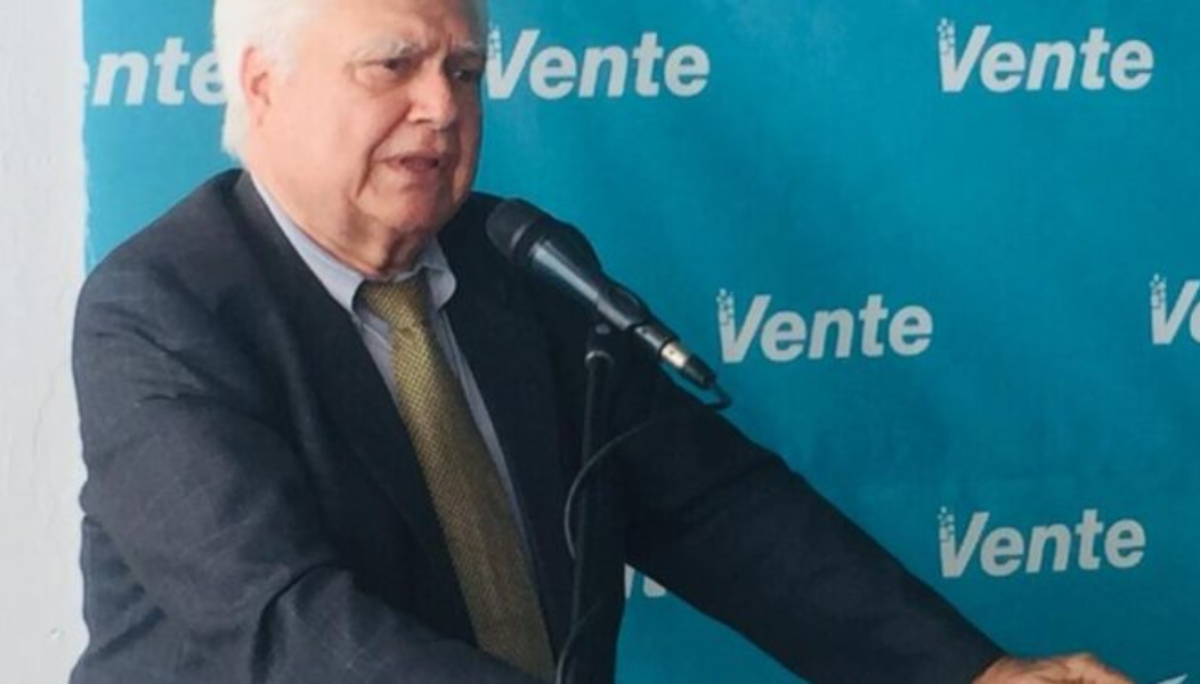
Oil Expert Evanan Romero Released After Detention in Venezuela Opposition Opposition media depict Evanan Romero’s detention as an arbitrary, politically driven act by the government that underscores legal insecurity and intimidates both local and foreign actors in the oil sector. They frame his eventual release as the product of media and public pressure rather than a transparent, legal process, reinforcing their narrative of an authoritarian and unpredictable state. @dgj2…hzme @htcq…4692 @r83x…ptvy Evanan Romero, an 86-year-old oil engineer and consultant with dual Venezuelan and U.S. nationality, was detained in Venezuela and released after approximately four days in custody. Opposition sources concur that he was stopped at the Maracaibo airport in the state of Zulia while attempting to travel to Caracas for a series of meetings with international oil companies, and that he was held without formal charges or clear notification to his legal representatives. They agree that his release took place around 17 February 2026, describe him as a veteran specialist with decades of experience in Venezuela’s oil sector, and note that he was considered a key technical figure for current efforts to stabilize or revive the country’s oil production. All accounts confirm that authorities have not publicly provided detailed explanations for his initial detention or the specific terms of his release.
Across the coverage there is shared emphasis on the broader institutional and economic context surrounding Romero’s case, particularly the fragile state of Venezuela’s oil industry and ongoing attempts to attract foreign capital. The reports agree that the episode unfolded at a moment described as critical for the energy sector, when the government is seeking to reactivate crude production and engage with international firms under a framework of sanctions relief and partial market opening. Outlets highlight concerns about legal certainty and the investment climate, noting that the detention of a well-known expert in the middle of negotiations sends an unsettling signal to potential partners. There is also consensus that media attention, public scrutiny, and the political sensitivity of foreign experts’ involvement in the sector formed a decisive backdrop to his release, even as official institutions have avoided transparent communication about the case.
Points of Contention
Nature of the detention. Opposition-aligned coverage describes Romero’s detention as arbitrary, emphasizing the lack of formal charges, the absence of timely legal notification, and the fact that he was held in a clinic under conditions they portray as opaque. In contrast, government-aligned outlets, where they address such cases, tend to frame detentions of oil-sector figures as routine investigative or security measures, often avoiding the term “arbitrary” and suggesting authorities were merely verifying documentation or contacts. Opposition sources underscore the suddenness of the arrest at the airport and its intimidating effect on professionals, while pro-government narratives typically downplay any irregularity and avoid detailed timelines that might suggest procedural abuses.
Political framing and responsibility. Opposition media characterize the episode as another example of repressive behavior by the current government, explicitly blaming the “chavista regime” for creating a climate of fear that undermines technical cooperation and foreign engagement. Government-aligned narratives usually present the state as responsibly safeguarding national resources and sovereignty, implying that any short-term detentions are justified by security, anti-corruption, or sanctions-related compliance needs. While the Opposition stresses that Romero’s treatment reflects systemic authoritarian practices, official or pro-government accounts, when they mention such incidents, cast them as isolated and lawful actions in the broader effort to protect the oil sector from external interference.
Impact on investment and the oil sector. Opposition outlets argue that detaining a respected oil expert just as he was meeting or preparing to meet with international companies sends a chilling message to investors and deepens doubts about legal guarantees in Venezuela. Government-aligned coverage, by contrast, usually emphasizes the government’s commitment to reopening and stabilizing the oil industry, highlighting diplomatic efforts and new agreements while either omitting or minimizing incidents like Romero’s detention. From the Opposition’s standpoint, such episodes are symptomatic of institutional unpredictability that could derail recovery, whereas pro-government narratives present them as minor or unrelated events that do not compromise the overall attractiveness of upcoming oil deals.
Role of public pressure and media scrutiny. Opposition media explicitly link Romero’s release to media coverage, public outcry, and international concern, suggesting that authorities backed down under reputational and political pressure. Government-aligned outlets, when acknowledging releases in similar cases, tend to attribute them to the normal conclusion of investigations or to humanitarian considerations, avoiding any admission that public or foreign pressure influenced the outcome. Thus, while the Opposition portrays the resolution as a reluctant step by a regime responsive only to external scrutiny, pro-government narratives imply a controlled, orderly process directed by institutions acting within their legal prerogatives.
In summary, Opposition coverage tends to treat Romero’s detention and release as emblematic of arbitrary state power, institutional opacity, and a deteriorating investment climate, while Government-aligned coverage tends to normalize or sideline such incidents, emphasizing state sovereignty, legality, and the continuity of official efforts to rehabilitate the oil sector.
Story coverage
Write a comment