US Forces Destroy Three 'Narco-Boats,' Killing 11
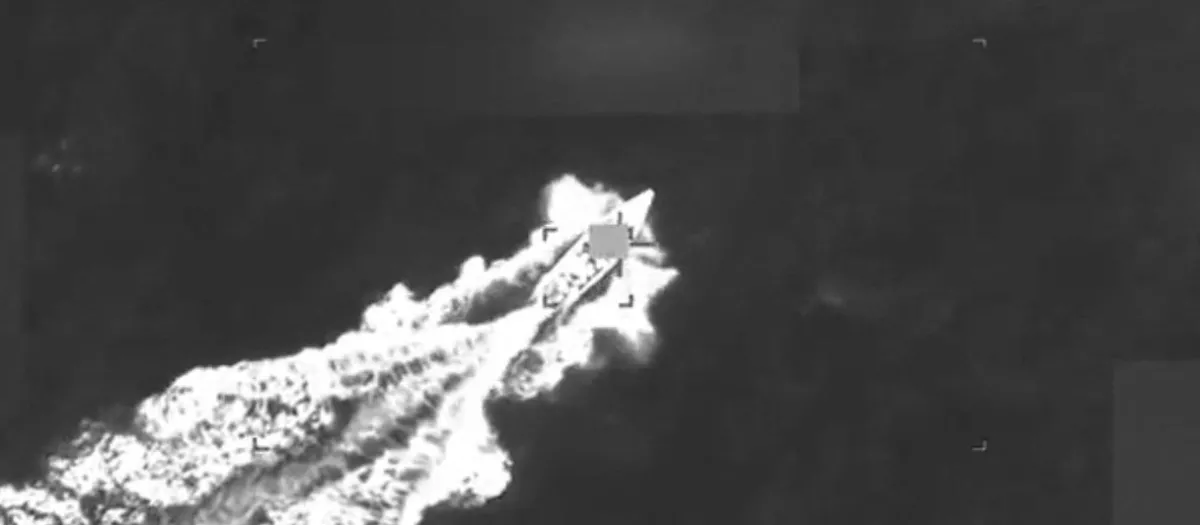
US Forces Destroy Three ‘Narco-Boats,’ Killing 11 Opposition Opposition outlets portray the US strikes on three narco-boats as part of a broader pattern of lethal maritime operations that lack transparent legal grounding and may constitute extrajudicial executions. They question the unproven labeling of the dead as “narcoterrorists,” highlight the high death toll since September, and warn that such militarized tactics in the drug war risk impunity, civilian harm, and counterproductive escalation. @htcq…4692 @dgj2…hzme US military officials report that on the night of 16 February, US forces carried out three “kinetic strikes” against fast-moving boats described as narco-trafficking vessels, in separate operations in the Eastern Pacific and the Caribbean. Across the three incidents, a total of 11 people aboard the boats were killed, and the targets are characterized in official language as narcotraffickers or “narcoterrorists” operating on established smuggling routes used by transnational criminal organizations. The actions are framed as part of an ongoing US campaign led by US Southern Command and related military and law-enforcement entities to disrupt maritime drug trafficking networks in the region, with these latest engagements adding to a growing tally of interdiction missions since late last year.
Coverage notes that these strikes are not isolated events but belong to a broader, sustained strategy in which the US has repeatedly used lethal force against suspected drug-smuggling vessels at sea. Both sides acknowledge that, since around September, dozens of similar operations have been conducted, with roughly 40 maritime engagements resulting in about 140 deaths attributed to US actions against alleged traffickers. The events are situated within long-standing US counternarcotics and security policies in the Western Hemisphere, in which Washington claims a mandate to combat transnational criminal organizations and protect regional stability, often in coordination with partner governments and under the umbrella of the wider “war on drugs” and, more recently, rhetoric about “narcoterrorism.”
Points of Contention
Legality and rules of engagement. Opposition outlets emphasize that rights groups and legal experts question whether these strikes comply with international humanitarian law and human rights standards, warning they may constitute extrajudicial executions carried out without clear due process or combatant status. Government-aligned narratives, by contrast, tend to present the operations as lawful uses of force under existing US authorities against transnational criminal organizations, implicitly or explicitly treating the engagements as legitimate self-defense or law-enforcement actions at sea. While Opposition pieces highlight the absence of transparent legal justification and a lack of visible judicial oversight, Government-aligned coverage generally assumes legality and focuses on operational success rather than legal scrutiny.
Evidence and characterization of targets. Opposition reporting repeatedly points out that Washington has not presented conclusive public evidence that those killed were combatant-level “narcoterrorists,” stressing that the term itself is politically loaded and blurs the line between crime and terrorism. Government-aligned outlets are more likely to adopt official terminology uncritically, describing the dead as narcotraffickers embedded in sophisticated criminal networks and implying guilt by association with known smuggling routes and patterns. This leads Opposition sources to question whether some victims may have been low-level couriers or even misidentified civilians, whereas Government-aligned narratives assume accurate targeting and frame the strikes as precise blows against high-value criminal actors.
Framing of objectives and consequences. Opposition coverage casts the operations as part of a militarized “war on drugs” under the Trump administration, suggesting they serve political messaging about toughness rather than demonstrably reducing narcotics flows or violence. Government-aligned media, in contrast, highlight the strikes as concrete evidence of increasing US pressure on transnational crime, crediting them with disrupting trafficking routes and strengthening regional security. The Opposition side underscores potential blowback, such as escalation, legal exposure, and strained relations with affected states, whereas Government-aligned coverage emphasizes deterrence, operational momentum, and US leadership against organized crime.
Transparency and accountability. Opposition outlets underline the limited public information about targeting criteria, chain of command, and post-strike assessments, arguing that secrecy shields possible wrongdoing and deprives victims’ families of remedies. Government-aligned sources typically foreground official communiqués, imagery, and casualty figures as sufficient reporting, framing the military’s own statements as authoritative and rarely demanding independent investigations. As a result, Opposition coverage calls for oversight and independent verification of each operation, while Government-aligned reporting tends to treat internal military review processes as adequate and not a central news issue.
In summary, Opposition coverage tends to question the legality, evidence base, and strategic value of the US strikes on narco-boats, stressing risks of extrajudicial killings and impunity, while Government-aligned coverage tends to legitimize the operations as lawful, precise actions against dangerous narcotrafficking networks that demonstrate US resolve and enhance regional security. Story coverage
Write a comment