Here's how the CDC tried to use bad science to convince people to wear masks during COVID
Extensive research reveals the CDC's weekly publication drew unsupported conclusions about mask effectiveness based on low-quality observational studies.
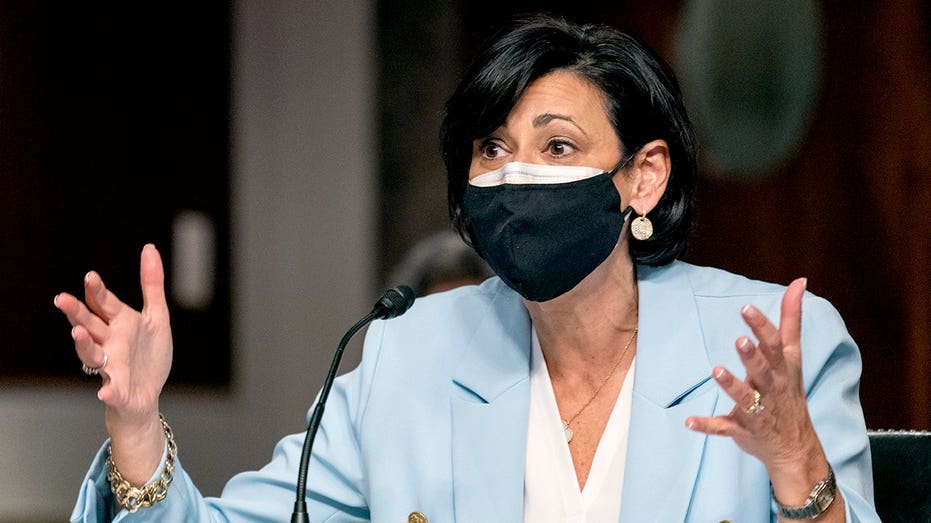
Here’s how the CDC tried to use bad science to convince people to wear masks during COVID A study analyzing the CDC’s Morbidity and Mortality Weekly Report (MMWR) from 1978 to 2023 found that all mask-related studies meeting inclusion criteria were published after 2019. Many of these studies were observational, lacked comparative groups, and did not involve randomized trials, yet the CDC frequently stated masks were effective. This reliance on low-quality evidence and the use of causal language contributed to widespread mask mandates and public perception.
- A study analyzed 45 years of CDC’s MMWR publications on masks, finding all relevant studies were published after 2019.
- Many of these studies were observational, lacked comparative groups (28.6%), and zero were randomized trials.
- Despite low-quality evidence, 75.3% of the studies stated masks were effective, with 71% using causal language.
- The CDC cited this research to justify mask mandates, including a “hairstylist study” and recommendations for young children.
- The article argues that this practice of using shoddy research to support policy positions has damaged public trust in science.
Write a comment