The mistake of conflating intelligence and power
If this is your definition of intelligence is the ability to achieve your goals across a wide variety of domains, then Stalin was the most intelligent person who ever lived.
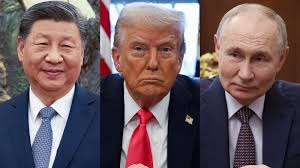
The mistake of conflating intelligence and power The article challenges the definition of intelligence as simply the ability to achieve goals, arguing this equates intelligence with power, which may not be accurate. It distinguishes between power-seeking AI and superintelligent AI, noting that current AI advancements in specific tasks don’t directly correlate with power acquisition. The text posits that real-world power derives more from authority and trust enabling collaboration than from isolated strategic brilliance, using historical examples to illustrate the societal impact of collective intelligence.
- Defining intelligence as goal achievement across domains can equate it with power, leading to comparisons like Stalin being the most intelligent.
- Current AI development focuses on specific economic tasks, which is not strongly correlated with power-seeking.
- Real-world power stems from authority and trust that facilitates collaboration, not solely from individual cognitive capabilities.
- Societal intelligence and cooperation, rather than individual genius, drive national outcomes and competitive advantage.
- Automated firms are more likely to outcompete others through capitalist means than a single AI outthinking everyone. Continue reading https://foxvector.com/articles/8dd74665-92b2-4ea9-a1ae-0d143ae76598
No comments yet.
Write a comment