Introduction to the Anatomy of Theft
Nine local plebiscites will be a kind of introduction to the still unannounced early parliamentary elections, which the anti-regime part of Serbia has been demanding for months, and which the authorities seem to be running away from. To better or worse days, depending on who you ask.
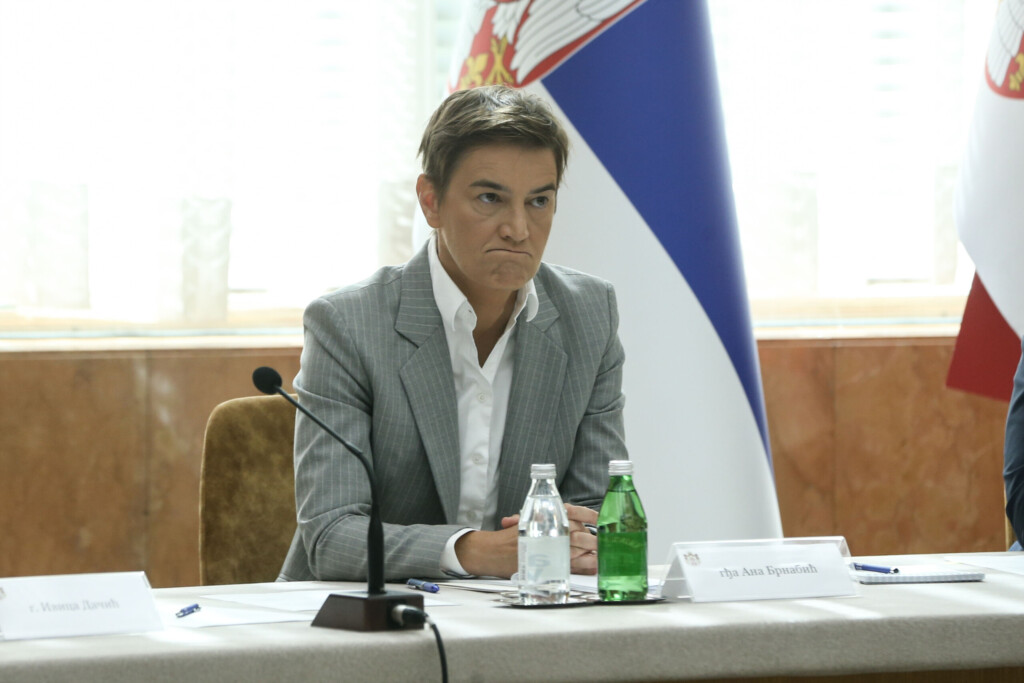
Introduction to the Anatomy of Theft Nine local elections are scheduled for March 29th, acting as a precursor to potential early parliamentary elections that the opposition has been calling for. Political analysts suggest the ruling SNS party faces challenges, with declining support necessitating aggressive tactics. The outcome of these local polls could significantly impact the political landscape and voter engagement.
- Nine local elections will be held on March 29th in Bor and municipalities Aranđelovac, Bajina Bašta, Kladovo, Knjaževac, Kula, Lučani, Majdanpek, and Smederevska Palanka.
- These elections are viewed as a prelude to unannounced early parliamentary elections, which the anti-regime faction of Serbia has been demanding.
- Marina Raguš of SNS sees the elections as an opportunity to verify student representation on lists and translate social friction into political action.
- Dragomir Anđelković suggests that recent local elections show the ruling parties are resorting to coercion and threats rather than ‘soft power’ to win votes.
- Political scientist Dejan Bursać believes the SNS views these elections as crucial, as any loss could undermine their governance concept, and expects them to approach the polls with extreme seriousness.
- Bursać warns that instead of a democratic festival, voters should expect a festival of irregularities, corruption, and possibly violence.
- The impact of post-election events on citizens’ morale will depend on the actions of student lists, opposition parties, activists, and movements.
Write a comment