Orban's Misuse of AI
The problem is no longer a single viral fake video, but the creation of a manipulative environment that systematically leads citizens into states of apathy, cynicism, fear, and doubt about the possibility of change.
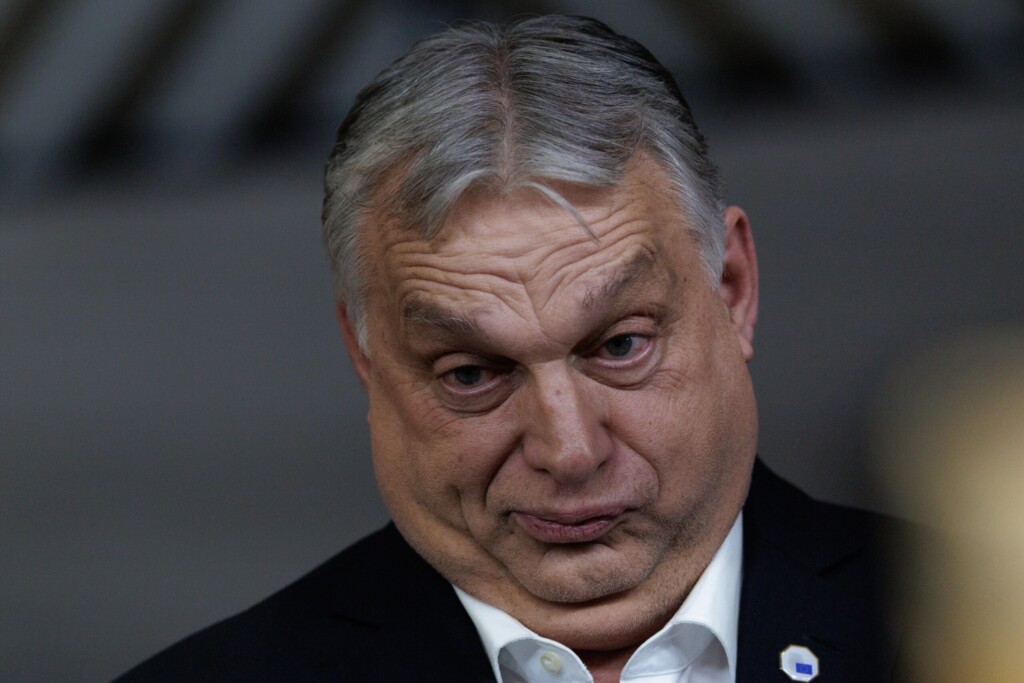
Orban’s Misuse of AI Hungary’s parliamentary elections are serving as a live test for Europe’s defense against AI-driven propaganda, with Prime Minister Viktor Orban’s campaign employing deepfakes and synthetic content to create a manipulative environment. This strategy aims to foster fear, cynicism, and apathy among voters by focusing on emotionally charged, anti-EU narratives and depicting catastrophic outcomes if the opposition wins. The rapid and overwhelming nature of AI-generated content on platforms like Facebook makes it difficult for journalists and fact-checkers to verify information, leading voters to rely on emotional shortcuts and normalizing fear-based politics.
- Hungarian parliamentary elections are a test for Europe’s ability to counter AI-driven propaganda.
- Prime Minister Viktor Orban’s campaign uses AI-generated materials, including deepfakes, to depict catastrophic consequences of opposition victory.
- The campaign focuses on creating a manipulative environment using emotionally charged, anti-EU and anti-Ukrainian content.
- AI lowers production costs and increases the volume of synthetic content, overwhelming voters and creating apathy and cynicism.
- The speed and volume of AI campaign activities lead to narrative dominance, shifting focus away from substantive issues to fear-based stories.
- The danger of AI in politics extends beyond disinformation to eroding democratic accountability and trust.
- Detection, platform self-governance, and media literacy are crucial to combat AI-driven manipulation in politics.
Write a comment