Unos nuevos “roaring twenties” entre norte y sur
La política exterior de EE. UU. bajo la égida de Trump nos lleva a unos nuevos roaring twenties, justamente en los años 20 del siglo XXI.
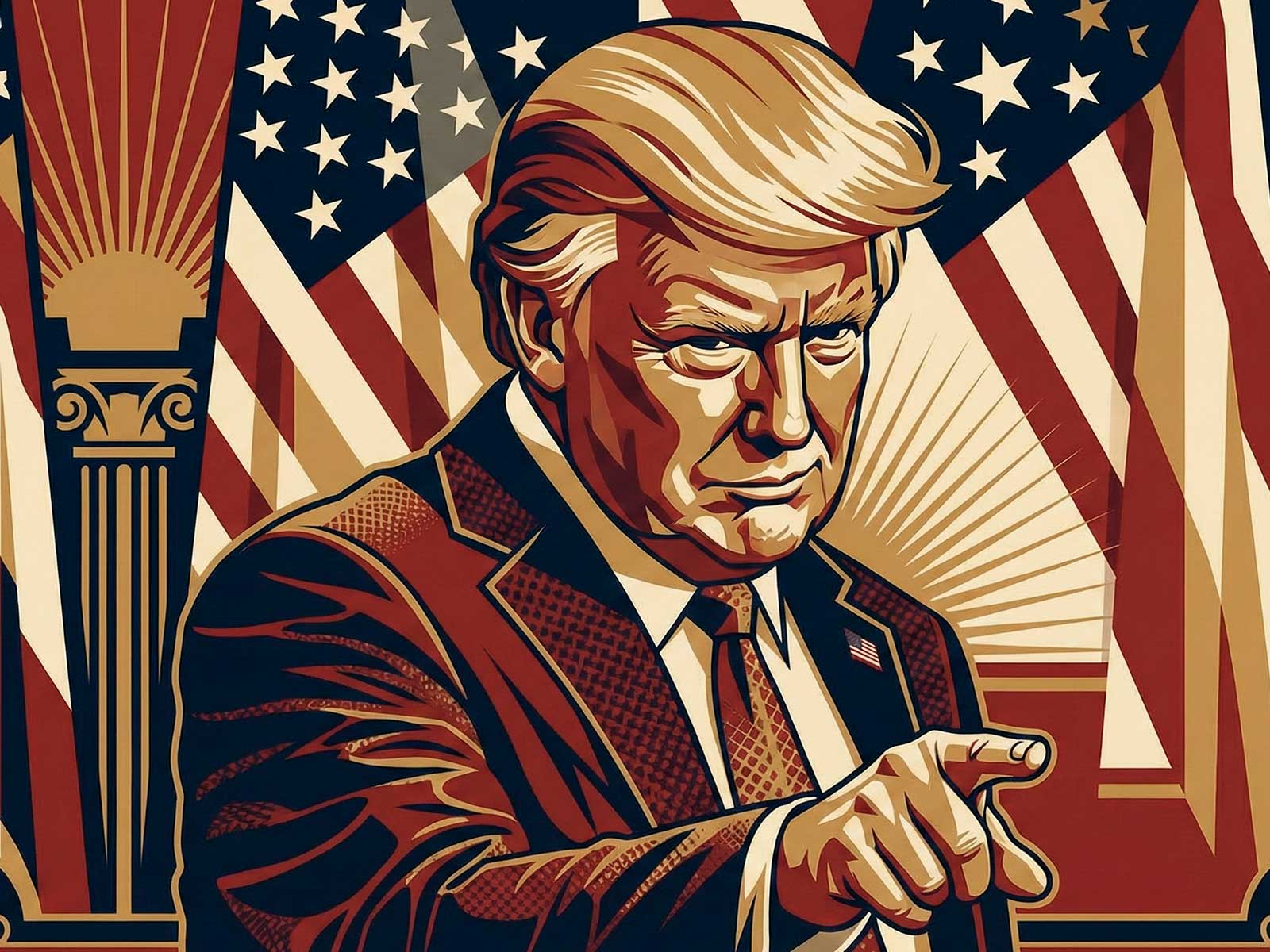
Unos nuevos “roaring twenties” entre norte y sur This article re-evaluates a past prediction that Donald Trump would show little interest in Latin America during his second term, admitting this assessment was incorrect. Instead, Trump’s administration has demonstrated considerable activity in the hemisphere, suggesting a move away from isolationism towards a geopolitical strategy focused on “zones of influence” for major powers like the US, Russia, and China. The author draws parallels to the historical Monroe Doctrine, terming Trump’s policy a “Donroe Doctrine,” characterized by a blend of national interest and personal caprice, rewarding allies like Javier Milei and Nayib Bukele while antagonizing leaders like Gustavo Petro.
- The author previously predicted Trump would maintain minimal interest in Latin America during his second term, a prediction now acknowledged as incorrect.
- Trump’s current administration shows significant activity in the Western Hemisphere, indicating a departure from isolationism and a return to “hard geopolitics” and “zones of influence.”
- The article introduces the concept of a “Donroe Doctrine,” a contemporary interpretation of the historical Monroe Doctrine, reflecting Trump’s foreign policy towards the Americas.
- Trump’s policy is characterized by actions that seem to benefit national interests but are often intertwined with personal and ideological motivations.
- Allied governments, such as Argentina under Javier Milei and El Salvador under Nayib Bukele, have received preferential treatment or assistance.
- Antagonistic relationships, like the one with Gustavo Petro of Colombia, are marked by disproportionate and seemingly personal reactions.
- The article suggests Trump’s foreign policy in Latin America echoes the interventionism of the 1920s, even as he may be disengaging from European security matters.
- The “Donroe Doctrine” differs from the traditional Monroe Doctrine by often blurring the lines between US national interest and Trump’s private interests.
Write a comment