Valle y Tolima revelan sus apuestas para el desarrollo productivo y la seguridad del campo colombiano
Congreso Nacional Agropecuario de la SAC Foto: Portafolio
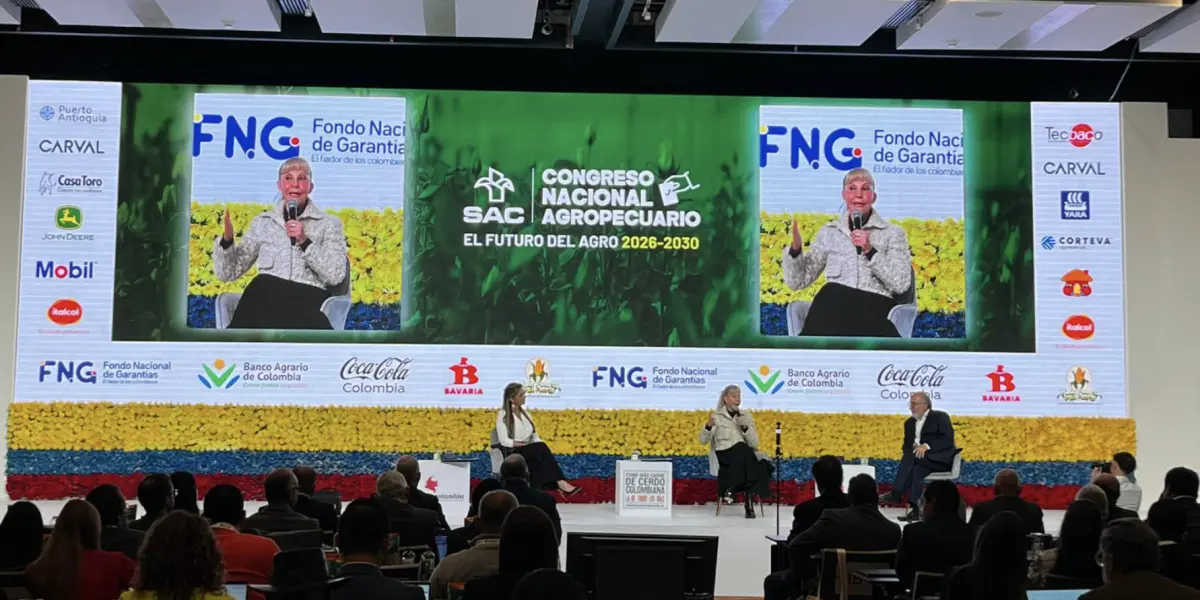
Valle y Tolima revelan sus apuestas para el desarrollo productivo y la seguridad del campo colombiano Governors from Valle del Cauca and Tolima presented their strategies for boosting rural economies, strengthening agricultural sectors, and addressing security concerns at the National Agricultural Congress. Both regions emphasized long-term investments, collaboration with industry groups, and regionally tailored production approaches. Key initiatives include agricultural diversification, infrastructure improvements, and innovative training programs, alongside concerns about security impacting productive activities.
- Valle del Cauca’s agricultural GDP is driven by sugarcane (39.1%), but the region is diversifying into avocado, pineapple, coffee, and Tahiti lime production.
- Valle del Cauca is investing in clean energy and bioproducts under the ‘Valle Verde’ strategy and has allocated $250 billion to its rural development model since 2016.
- Tolima’s agricultural sector contributes 22.8% to its GDP, with a development plan focusing on specialized production regions for coffee, rice, citrus, avocado, panela, plantain, and soursop.
- Tolima faces critical infrastructure challenges with 98% of its 13,000 km of tertiary roads in poor condition, prioritizing strategic production corridors.
- Both governors highlighted security issues as significant impediments to rural development, with concerns over armed groups and the effectiveness of national security policies.
- Tolima’s ‘Escuela Regional del Café’ aims to train 1,000 young people in coffee specialization, and the region is investing over $3 billion in irrigation districts for rice production.
- The governors stressed that rural security is intrinsically linked to productive development, citing Planadas’ transformation through specialty coffee exports as a model for peacebuilding.
Write a comment