How to Become a Claude Code Savant: Building Entire Company Tech Stacks with AI
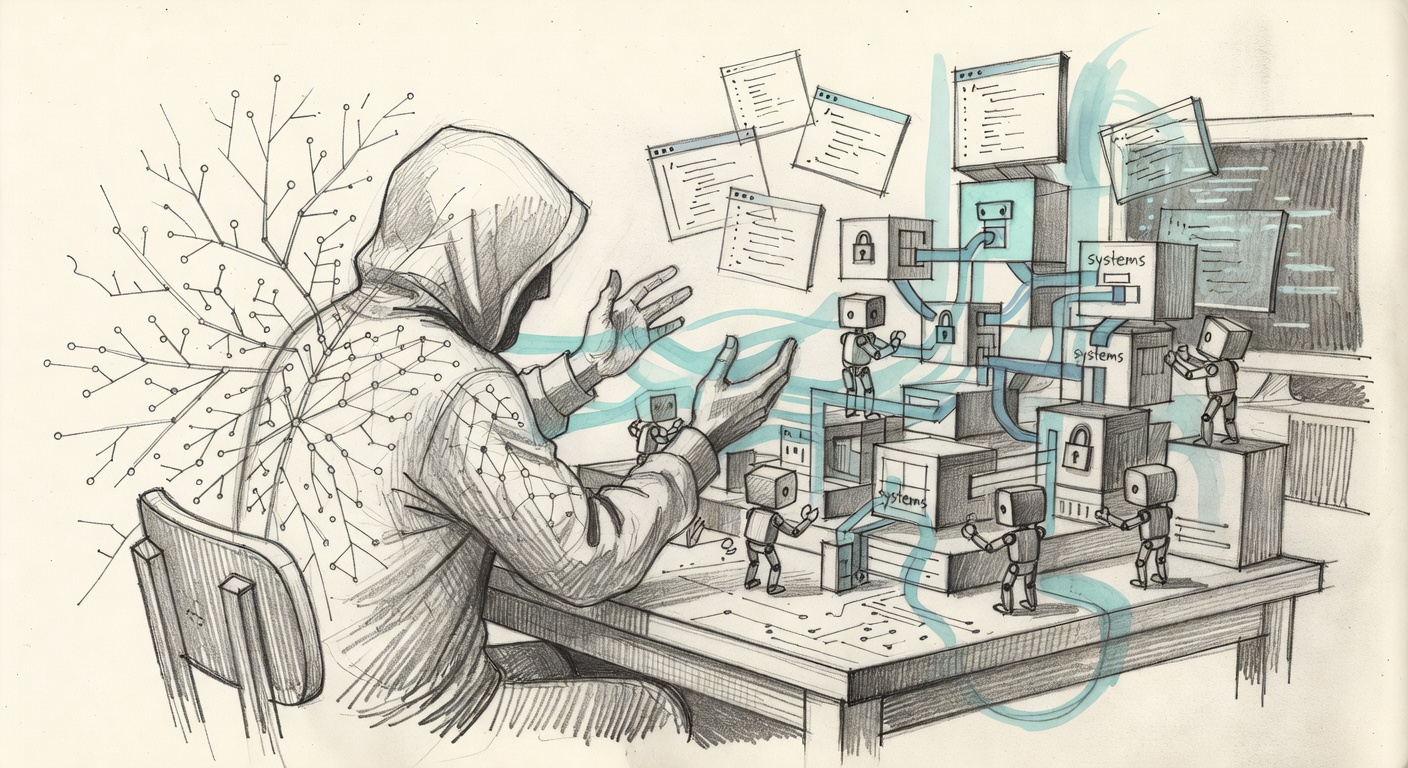
The robotics firm was stuck in 2018. Spreadsheets everywhere, a creaky CRM that nobody trusted, and ops that relied on heroic manual effort from three overworked people. No massive engineering team, no huge budget for custom software.
We handed the problem to Claude in the console and said: build it. Not just a prototype. The whole stack.
Six weeks later they had a complete system. CRM, billing, analytics, automated operations agents. The humans now spend their days on calls, emails, and strategic conversations. The agents handle the rest: clearing inboxes, scouting new opportunities in the market, setting appointments, updating records, generating reports, and pushing the business forward with remarkable consistency.
Everything runs in a tight loop. No data leaks to third parties beyond the initial generation phase. No manual drudgery. Just press play and the system works.
This is what becoming a Claude code savant looks like in practice. You stop writing every line yourself and start orchestrating systems that write, test, and maintain themselves.
The console is your command center. Artifacts let you see live previews of what Claude builds. Projects keep context across long sessions so you don’t lose the thread when the stack grows complex. The real power comes when you learn to guide it through multi-step reasoning instead of one-shot prompts.
The anonymous robotics company didn’t need a 10-person dev team anymore. They needed someone who knew how to speak Claude’s language fluently. That’s the savant skill.
Here is the compact savant playbook that actually works.
Start in the Claude console with clear project boundaries. Define the entire architecture upfront in one prompt: “Build a complete tech stack for a robotics firm including CRM, billing engine, analytics dashboard, and autonomous agents for operations. Use modular design with clear separation between frontend, backend, and agent logic. Prioritize reliability and auditability.”
Use artifacts aggressively. Every time Claude generates code, open it in artifact view. Iterate directly on the live preview. This is where the magic happens — you see the UI taking shape in real time and can say “make the dashboard update in real time when new opportunities are scouted.”
For prompting, adopt these compacted novel patterns:
-
The “spec first” move: Force Claude to output a detailed technical specification before writing any code. This prevents drift on large systems.
-
The “agent governor” pattern: Explicitly instruct it to create supervisor agents that monitor and correct the worker agents. This is what makes the inbox clearing and opportunity scouting reliable.
-
The “verification loop”: After every major module, prompt Claude to write its own tests and then run them against the code. Make it explain failures and fix them.
On MCPs (multi-context projects): Keep related components in separate but linked projects in Claude so context stays fresh. One for the CRM core, one for the agent layer, one for analytics and reporting. Cross-reference them with precise instructions.
When promoting code from prototype to production, have Claude generate Docker configurations, deployment scripts, and monitoring setups alongside the main code. Ask for “production hardening” as a dedicated step.
The real savant move is knowing when to step back. Let Claude propose the next feature or improvement. The best stacks emerge from this back-and-forth, not from dictating every detail.
In the robotics case, the agents now scout opportunities by analyzing public data, set appointments in calendars, update the CRM automatically, and even prepare briefing notes for the human reps before calls. The system has momentum. The humans provide direction and close deals. The agents do the heavy lifting.
The biggest lesson from the robotics firm case is that the bottleneck is no longer coding skill. It is orchestration skill.
Anyone getting into AI can learn this. You don’t need to be a senior engineer. You need to learn how to think in systems, give clear direction, and verify outputs rigorously. Claude handles the syntax. You handle the architecture and the business logic.
This approach scales. The same patterns that built their CRM and agent operations can be applied to almost any industry. The stack becomes a living system that improves itself over time.
Start small. Pick one painful process in your own work. Hand it to Claude in the console and iterate until it works better than the manual version. Then expand.
The savants aren’t the ones who write the most code. They’re the ones who build the systems that run without them.
The future belongs to those who can direct AI agents with confidence. The robotics firm proved it can be done today. The only question is how quickly you learn the language.
Write a comment