When Petar Petrović Njegoš died, there was no happier woman than his mother: She didn't shed a tear for her son, she mourned him with these words
Years and centuries pass, but there are personalities whom time cannot distance from the people to whom they belong. Such is Petar II Petrović Njegoš – a poet, ruler, and thinker whose work resonates powerfully even today. His name is associated not only with history but with a lasting spiritual presence that transcends the transience of life.
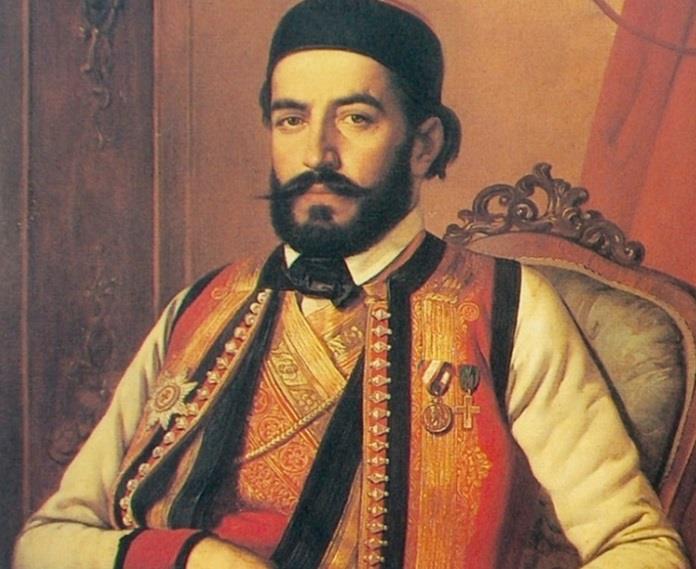
When Petar Petrović Njegoš died, there was no happier woman than his mother: She didn’t shed a tear for her son, she mourned him with these words Petar II Petrović Njegoš, a prominent poet and ruler, died at the age of 37 in 1851. After a temporary burial due to weather, his remains were exhumed in 1855, revealing only his right hand. At the reburial on Lovćen, his mother expressed immense pride, stating she would not cry for him, while his father and cousin offered blessings and tributes.
- Petar II Petrović Njegoš died in Cetinje in October 1851 at the age of 37 from tuberculosis.
- He expressed a desire to be buried on Lovćen near a new church.
- Due to poor weather and fears of desecration, he was temporarily buried in Cetinje Monastery.
- His remains were moved to Lovćen on August 26, 1855, and upon opening the coffin, only his right hand was found preserved.
- His mother, Ivana, delivered a powerful speech expressing pride rather than sorrow, stating she was a happy mother for bearing such a son.
- His father, Toma, offered blessings for his son’s death to be fortunate for their land and people.
- His cousin, Đorđije Petrović, spoke of the wisdom of Njegoš’s parents and their influence on him.
- Njegoš remains a symbol of spiritual strength, freedom, and creativity whose legacy continues to shape identity.
Write a comment