Magnifica Humanitas: A critical and timely counterweight
For some, artificial intelligence and its related components represent a boon for the human community. A tool of unimaginable power that will finally enable us to control almost every aspect of our lives — even death and the afterlife. For others, it evokes a sense of impending doom.
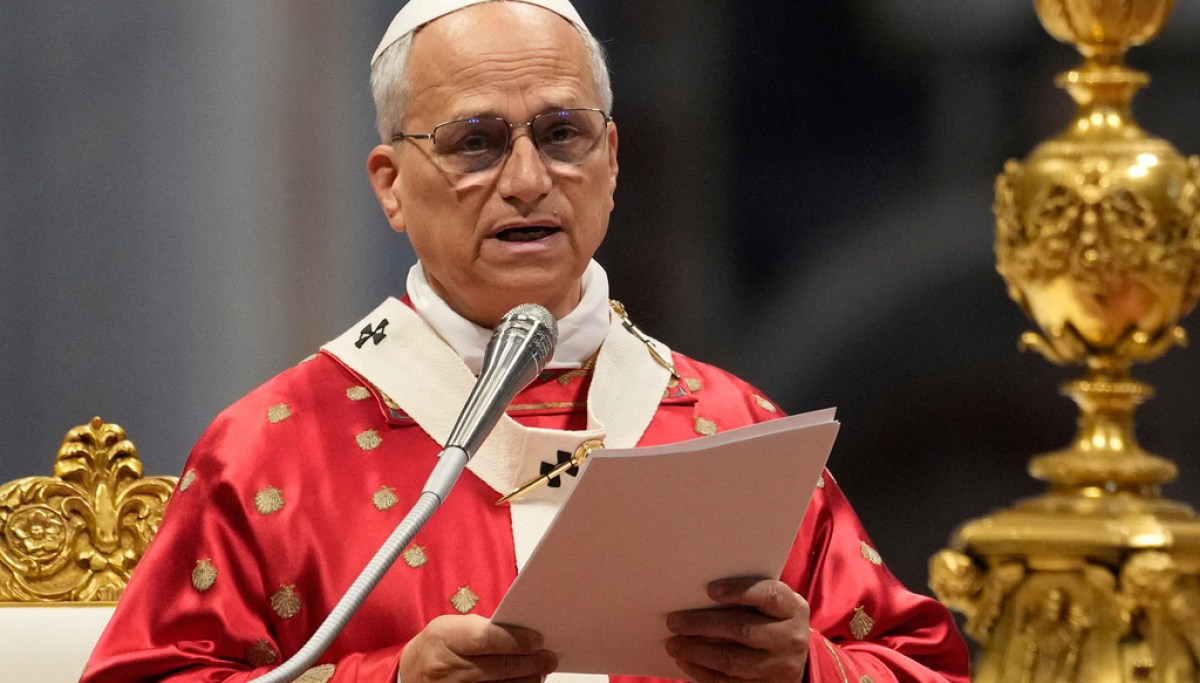
Magnifica Humanitas: A critical and timely counterweight Pope Leo XIV’s encyclical, Magnifica Humanitas, responds to the Digital Revolution and the rise of AI, drawing parallels to Pope Leo XIII’s response to the Industrial Revolution. The encyclical clarifies that technology is not inherently antagonistic to humanity but cautions against a ‘technocratic paradigm’ that reduces everything to efficiency and profit. It stresses the importance of moral principles, grounded in the church’s social doctrine, to guide humanity in building a future that is ‘profoundly human’.
- Pope Leo XIV issued the encyclical Magnifica Humanitas on the 135th anniversary of Rerum Novarum.
- Magnifica Humanitas addresses the Digital Revolution and the advent of AI, similar to how Rerum Novarum responded to the Industrial Revolution.
- The encyclical states that technology is not inherently antagonistic to humanity but is a human reality linked to autonomy and freedom.
- It warns against the ‘technocratic paradigm’ that prioritizes efficiency, control, and profit, and rejects the idea that technology is ‘morally neutral’.
- The encyclical calls for the use of moral principles to ensure a ‘profoundly human’ future, offering a counterweight to the risks posed by powerful technologies.
- The choice is presented between deliberating a human-centered way forward or constructing another ‘Tower of Babel’ driven by false urgency and deceitful promises.
Write a comment