What voter roll integrity actually requires
The 15th Amendment doesn’t guarantee perfect elections. It guarantees that eligible voters won’t be turned away because of their race. Those two things are not in conflict, but the debate about voter roll maintenance has made them sound like they are.
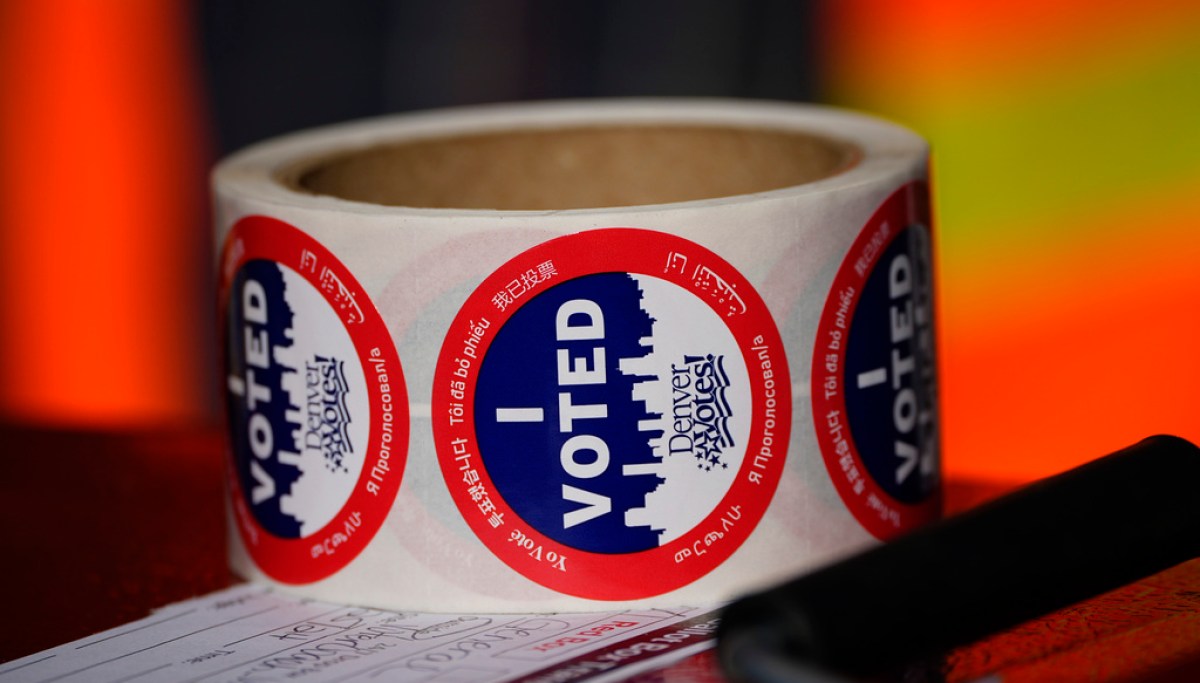
What voter roll integrity actually requires The 15th Amendment ensures voting rights are not denied based on race, but it does not prohibit efforts to maintain accurate voter rolls. Arguments that voter roll maintenance is discriminatory lack historical and constitutional grounding. Clean voter lists protect eligible voters by ensuring only those who meet eligibility criteria can participate, which is consistent with the amendment’s original intent.
- The 15th Amendment prevents race-based denial of voting rights, not the maintenance of accurate voter rolls.
- Historically, Southern states used discriminatory practices to disenfranchise voters, which the Voting Rights Act of 1965 aimed to combat.
- Supreme Court decisions like Shelby County v. Holder and Brnovich v. Democratic National Committee have acknowledged states’ legitimate interests in election integrity.
- The National Voter Registration Act of 1993 requires states to maintain accurate voter rolls while limiting the removal of registrants.
- Accurate voter rolls benefit all eligible voters, including minority groups, by preventing confusion caused by outdated entries.
- Distinguishing between legitimate roll maintenance and discriminatory practices is possible through federal court oversight.
- Public opinion shows bipartisan support for elections where only eligible voters participate.
- Removing deceased, moved, or ineligible individuals from voter rolls is considered maintenance, not suppression.
Write a comment