New threats test post-Butler Secret Service reforms
The attempted assassination of President Donald Trump in Butler, Pennsylvania, exposed vulnerabilities inside an agency long regarded as the world’s premier protective service, the Secret Service.
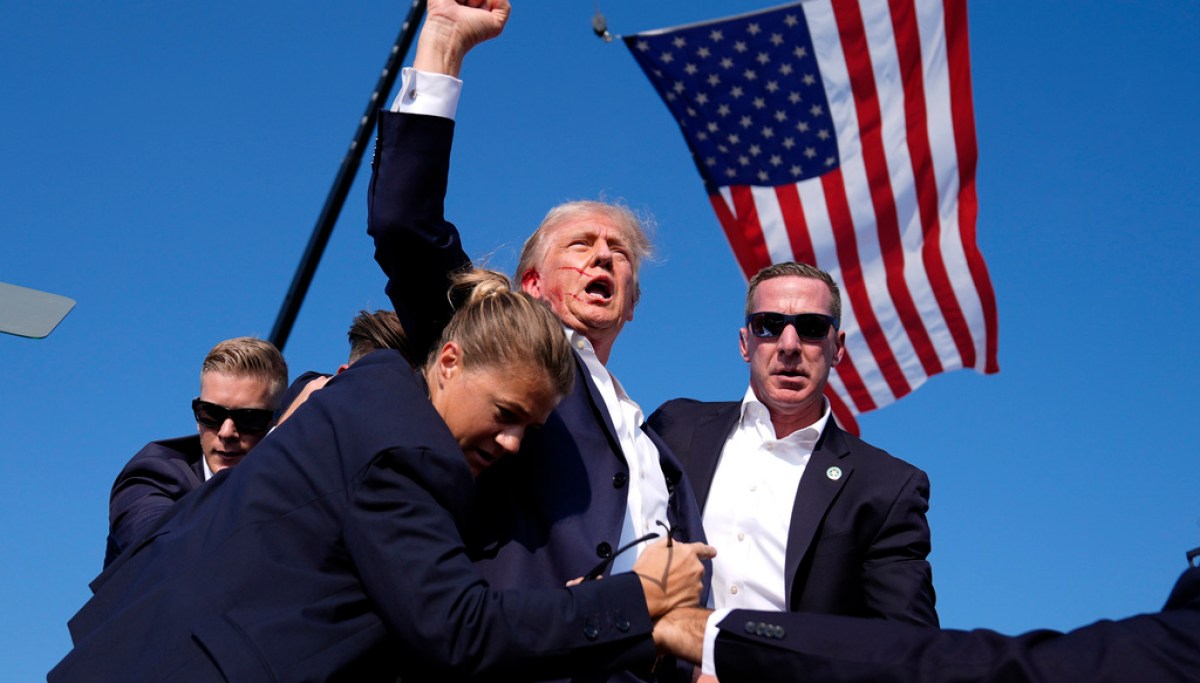
New threats test post-Butler Secret Service reforms The Secret Service has implemented significant reforms in intelligence gathering, communication, and coordination following the attempted assassination of Donald Trump in Butler, Pennsylvania. These changes include creating new intelligence units and expanding resources to address a growingly complex threat environment. However, recent incidents near the White House and at a public event serve as early tests of whether these reforms are sufficient against volatile and unpredictable threats.
- The Secret Service implemented significant reforms after the 2024 attempted assassination of Donald Trump in Butler, Pennsylvania, which exposed communication breakdowns and security gaps.
- Reforms include strengthening protective intelligence operations, creating an Advanced Threat Interdiction Unit, and improving communications systems for better inter-agency coordination.
- The agency faces a more complex threat landscape characterized by information overload, social media radicalization, and intersecting mental health crises.
- Recent incidents near the White House and at the White House Correspondents’ Association dinner are being used as tests for the effectiveness of these new reforms.
- Despite reforms, challenges remain, including staffing pressures and the difficulty of discerning genuine threats from the sheer volume of information.
No comments yet.
Write a comment