Lithuania warns Russian economy is 'built on war'
The Lithuanian government fears the Baltic states will be Russia’s logical next target because the Kremlin has gone over a cliff in transforming the country’s economy into a war machine.
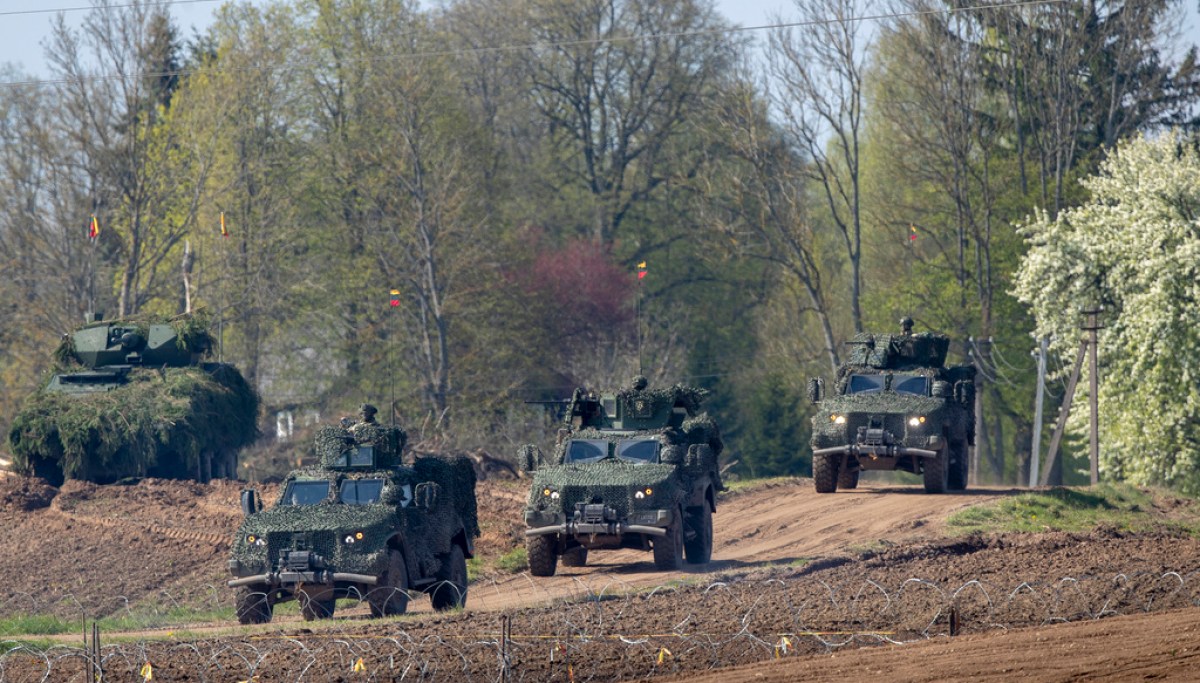
Lithuania warns Russian economy is ‘built on war’ Lithuanian Minister of National Defense Robertas Kaunas expressed concern that Russia’s economy is now primarily focused on war production, potentially making the Baltic states its next target. This fear is amplified by explicit warnings from Russian officials and the strategic vulnerability of the Baltic region, including the Suwalki Gap. In response, the Baltic states are increasing defense spending and fortifying their borders.
- Lithuania fears the Baltic states could be Russia’s next target due to the country’s economy being transformed into a war machine.
- Russian Minister of National Defense Robertas Kaunas stated that Russia’s economy is ‘built on war’ and warned of potential new conflicts after Ukraine.
- Dmitry Medvedev warned Europeans that their authorities have entered into a war with Russia.
- Approximately 40% of Russia’s national budget is now allocated to military expenses and defense spending.
- Russia is perceived as capable of building significantly more weapons than all of Europe combined.
- The Baltic states are considered vulnerable targets due to their small size, strategic location, and a GDP significantly lower than some US cities.
- The Suwalki Gap, Lithuania’s border with Poland, is identified as a weak point in NATO’s perimeter.
- The Baltic states consistently contribute at least 5% of their GDP to national defense.
- Latvia and Estonia are installing border infrastructure, such as anti-tank barriers and fortifications, to prevent unauthorized travel and crossings.
- A report suggests Russia’s war footing may become unsustainable without a transition to mandatory conscription, which would involve curtailing market freedoms and could be disruptive and unpopular.
Write a comment