The FAIR Labels Act isn’t fair. It’s a red flag for food innovation
In 1865, British lawmakers passed the “Red Flag Act,” requiring a man carrying a red flag to walk in front of every horseless carriage. The horse-and-buggy economy feared the emerging steam-powered automobile industry, so the future was legally forced to move at walking speed.
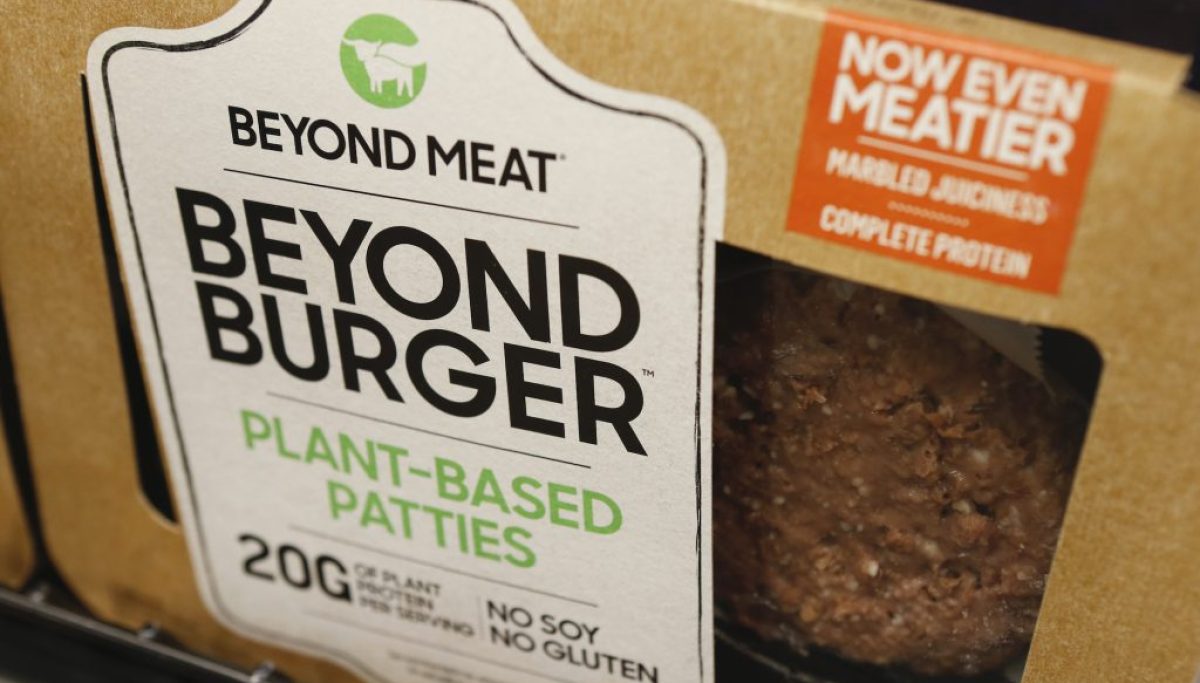
The FAIR Labels Act isn’t fair. It’s a red flag for food innovation The FAIR Labels Act of 2026 is criticized for attempting to hinder market competition for the livestock industry by mandating unappealing labels on alternative proteins. Supporters claim it’s to prevent consumer confusion, but the article argues it’s a protectionist measure. Historically, similar tactics have failed to stop technological and market advancements, suggesting this act will also be overcome by consumer preference and industry adaptation.
- The FAIR Labels Act of 2026 aims to label alternative proteins with unappetizing terms, which critics argue is an attempt to protect the livestock industry from competition.
- The article compares the act to historical instances like the Red Flag Act and margarine regulation, suggesting that attempts to slow down innovation through legislation are ultimately unsuccessful.
- Consumers are aware of the origins of plant-based foods and choose them for various reasons, including health, ethics, and environmental concerns, not due to confusion.
- The bill’s sponsor, Sen. Pete Ricketts, openly stated his goal is to ‘protect Nebraska beef,’ highlighting the protectionist nature of the legislation.
- The article suggests that instead of suppressing competitors, the livestock industry should adapt and invest in alternative protein markets, as many large meat manufacturers are already doing.
Write a comment