Trump's Cabinet Reshuffle Part of a Presidential Tradition
With the departure of Director of National Intelligence Tulsi Gabbard, we’ve now reached what can be called an actual Cabinet shakeup. Over the past six weeks, we’ve seen the resignation of Kristi Noem from the Department of Homeland Security, Pam Bondi from the Department of Justice, and Lori Chavez-DeRemer from the Department of Labor. When we include the departure of Food and Drug Administration Commissioner Martin Makary and Secretary of the Navy (once a Cabinet-level position) John Phelan, it is clear the Trump administration is in the midst of an appointee overhaul.
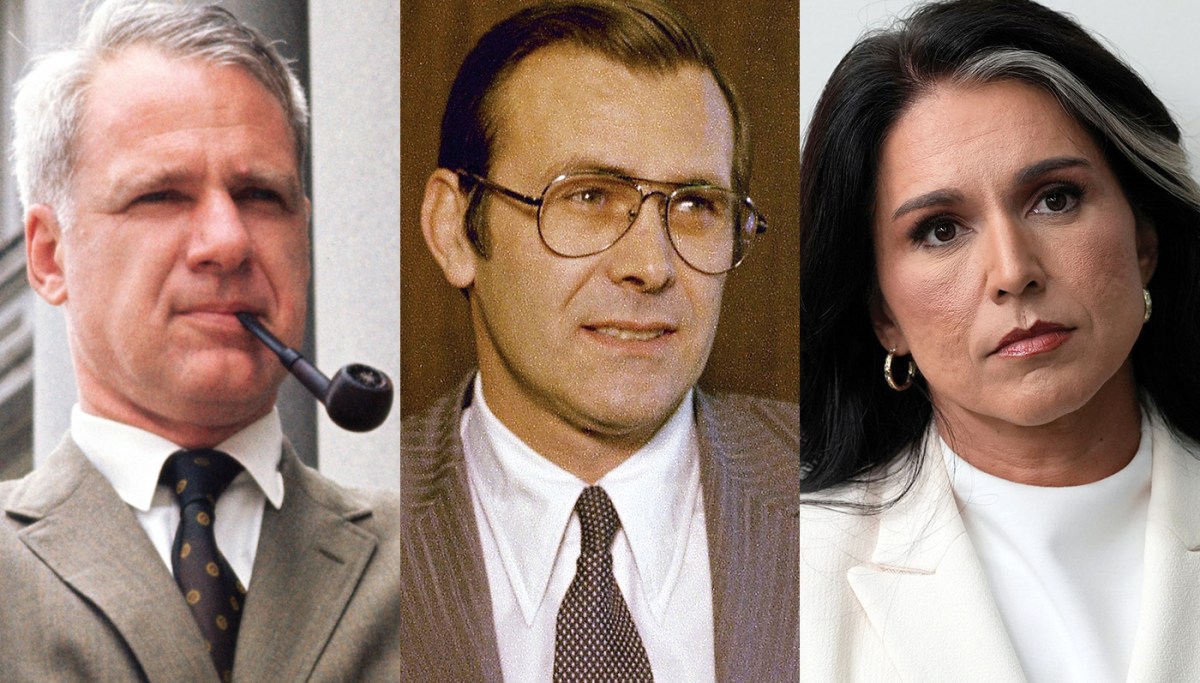
Trump’s Cabinet Reshuffle Part of a Presidential Tradition The Trump administration is experiencing a significant overhaul of appointees, mirroring historical presidential Cabinet shakeups. These often risky maneuvers, intended to address problems or reset an administration, have a mixed track record throughout U.S. history. Successful shakeups require careful selection of replacements, swift confirmation, and clear communication to the public about the reasons for the changes.
- The Trump administration is undergoing a notable Cabinet shakeup with several resignations and departures.
- Cabinet shakeups are a recurring, though often risky, aspect of presidential administrations.
- Historical examples of significant Cabinet shakeups include those under Andrew Jackson, Richard Nixon, Gerald Ford, Jimmy Carter, and George W. Bush.
- These shakeups are often interpreted as signs of desperation but can also be opportunities for an administration to reset.
- Success depends on appointing qualified replacements, timely confirmations, and transparent communication with the public.
- The current Trump administration’s shakeup includes departures from key positions like Director of National Intelligence, Department of Homeland Security, Department of Justice, and Department of Labor.
- Past shakeups, like Ford’s “Halloween massacre” and Carter’s “malaise address,” highlight the potential for negative public perception and political consequences.
Write a comment