The AI race America can actually win
At the recent summit in Beijing, President Donald Trump and Chinese President Xi Jinping put artificial intelligence on the agenda. Treasury Secretary Scott Bessent emphasized the leaders’ focus on AI guardrails that balance “the most innovation and the highest level of safety.”
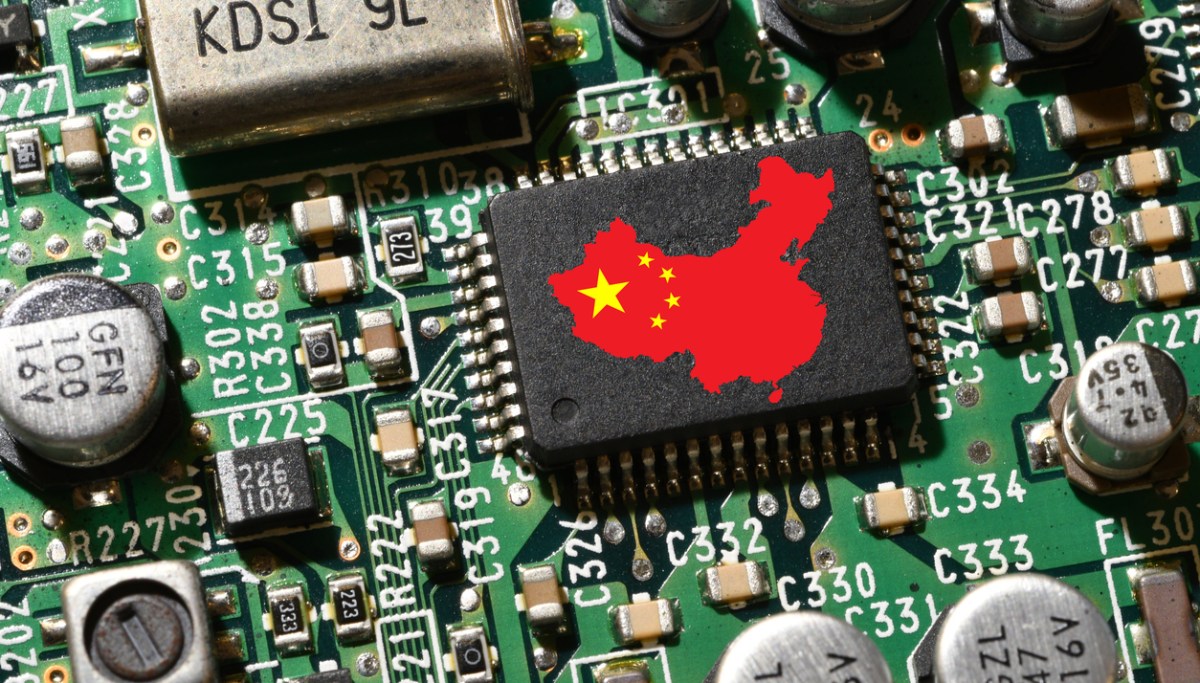
The AI race America can actually win The United States should shift its artificial intelligence strategy from a race for centralized scale, which favors China, to a distributed architecture that empowers individuals. This approach plays to America’s strengths in open markets and democratic institutions, allowing AI to operate locally on trusted devices and networks. Such a decentralized system is crucial for military effectiveness in degraded or disconnected environments, offering resilience and operational flexibility that authoritarian competitors will find difficult to match.
- The US and China are discussing AI guardrails, balancing innovation and safety.
- A centralized AI approach, focused on scale (data centers, chips, models), plays to China’s strengths.
- China can align state power, industrial policy, data, energy, surveillance, and capital more effectively than a democracy.
- The US can win by adopting a distributed architecture where AI models are controlled by individuals.
- Distributed AI enables AI to be embedded in trusted devices and local networks, with the cloud as a support layer.
- This approach allows for adaptation, improvement, and use of trusted AI without central direction.
- The military is a prime example, requiring an edge-first, AI operating locally across units and platforms.
- Forces need AI capabilities that work in degraded, disconnected, and high-risk conditions, independent of constant cloud access.
- Advancements allow AI to run on smaller, cheaper, and more portable devices.
- Specialization is key: users need AI tailored to their specific missions, data, and context, not a single all-purpose model.
- A distributed network of locally controlled, specialized AI models offers reliable operational value when communications fail.
- China prioritizes centralized control; America’s advantage should be accountable empowerment through resilient, decentralized systems.
No comments yet.
Write a comment